
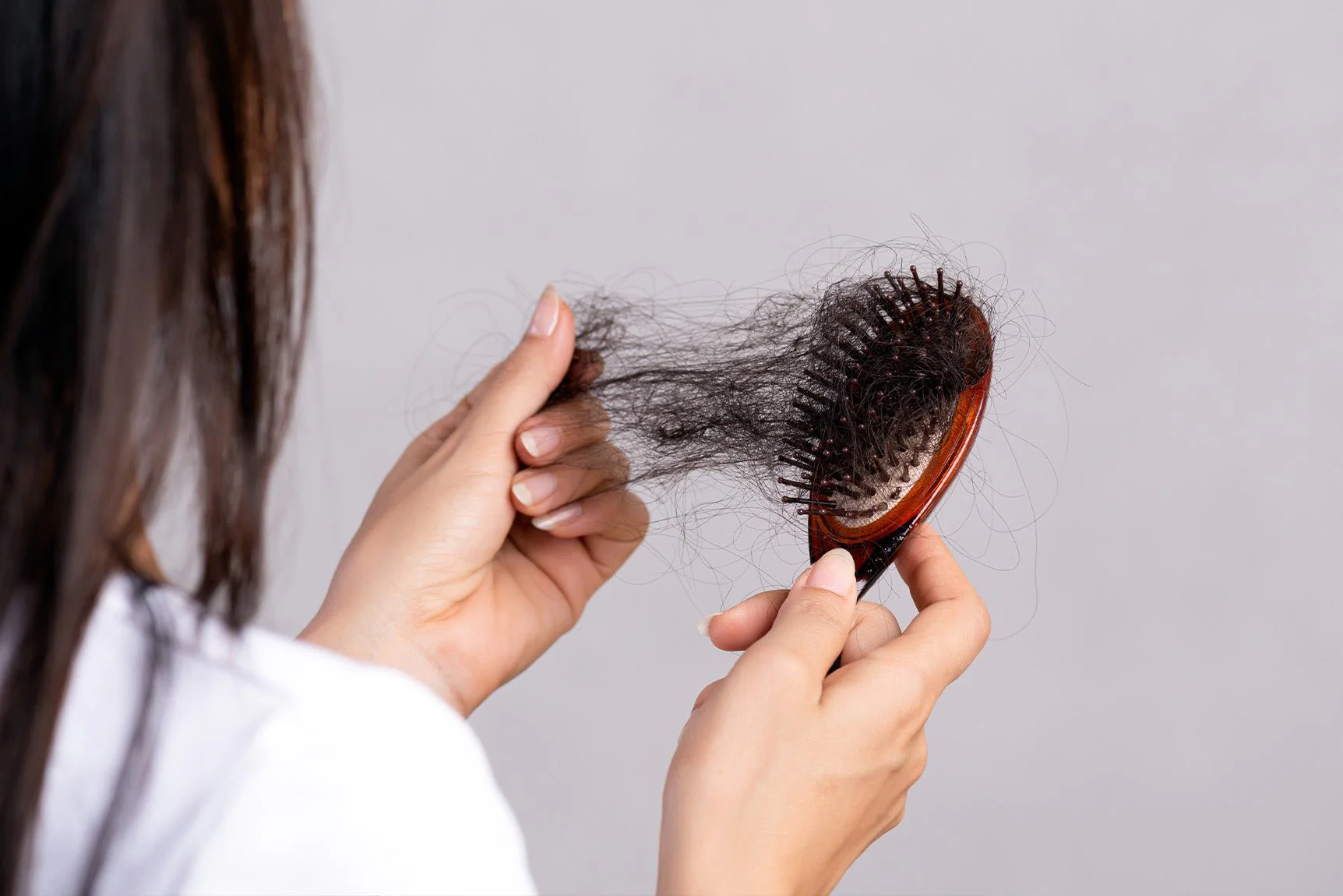
Many new mothers are surprised to notice increased hair shedding a few months after giving birth. While pregnancy often brings thicker, fuller hair, the months following delivery can sometimes lead to noticeable hair fall.
This condition, known as postpartum hair loss, is a common and temporary experience for many women.
Understanding why hair loss happens after pregnancy is the first step toward managing it effectively. During pregnancy, elevated hormone levels help keep hair in the growth phase for longer, which reduces normal shedding.
After childbirth, hormone levels begin to return to normal, causing a larger number of hair strands to enter the shedding phase at the same time. Although this process is natural, many women seek effective hair loss treatment options to help restore healthy hair growth and regain confidence.
Causes of Postpartum Hair Loss
Source: drhealthclinic.com
Hormonal Changes
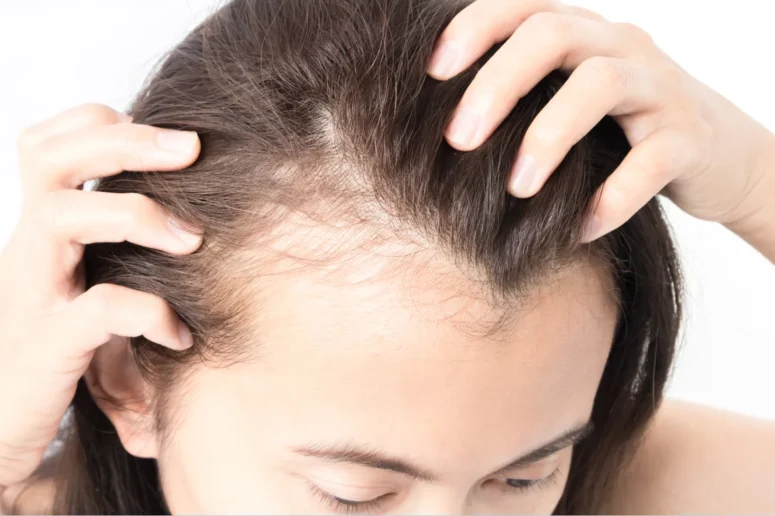
One of the primary causes of postpartum hair loss is the sudden drop in pregnancy hormones, particularly oestrogen. During pregnancy, high oestrogen levels keep hair in the growth phase longer than usual. Once hormone levels decline after delivery, many hair follicles shift into the resting phase, leading to noticeable shedding several months later.
Nutrient Deficiencies
After childbirth, the body requires significant nutrients to recover and support breastfeeding. If the body does not receive enough essential nutrients such as iron, zinc, protein, and vitamins, hair follicles may weaken. These deficiencies can slow down the hair growth cycle and contribute to excessive shedding, making proper nutrition an important part of any hair loss treatment strategy.
Stress and Fatigue
Caring for a newborn can be physically and emotionally demanding. Lack of sleep, hormonal adjustments, and the responsibilities of early motherhood can create stress and fatigue. These factors can disrupt the natural hair growth cycle, increasing the likelihood of postpartum hair loss and slowing the recovery process.
Proven Hair Loss Treatment Options
Source: marketwatch.com
Scalp Treatments
Professional scalp treatments are designed to cleanse the scalp, remove buildup, and improve blood circulation. These treatments help create a healthier environment for hair follicles, encouraging stronger and healthier regrowth. Many clinics offer specialised hair loss treatment programmes tailored to postpartum scalp conditions.
Hair Growth Serums
Hair growth serums contain ingredients that nourish the scalp and stimulate hair follicles. These products are formulated to strengthen hair roots, improve follicle health, and promote new hair growth. Regular use of clinically formulated serums can support recovery from postpartum hair loss.
Low-Level Laser Therapy
Low-level laser therapy is a non-invasive treatment that uses light energy to stimulate hair follicles and improve scalp circulation. This technology helps reactivate dormant follicles and supports the natural hair growth cycle. It is increasingly used as part of modern hair loss treatment programmes.
Nutritional Supplements
Supplements containing essential vitamins and minerals can help restore nutrient levels that support healthy hair growth. Ingredients such as biotin, iron, vitamin D, and zinc are commonly recommended to strengthen hair follicles and improve overall scalp health.
Natural Recovery Methods
Healthy Diet
A balanced diet plays a major role in recovering from postpartum hair loss. Foods rich in protein, iron, omega-3 fatty acids, and vitamins help nourish hair follicles and support stronger hair growth. Including leafy greens, nuts, seeds, fish, and whole grains in your meals can support the body’s natural recovery.
Gentle Hair Care Routine
After pregnancy, hair can become more fragile. Using mild shampoos, avoiding excessive heat styling, and reducing tight hairstyles can help prevent further damage. A gentle haircare routine protects the scalp and supports healthier regrowth during the recovery period.
Stress Management
Managing stress is important for maintaining a healthy hair growth cycle. Simple practices such as light exercise, meditation, deep breathing, or taking time for self-care can help reduce stress levels and support the body’s natural healing process.
When to Seek Professional Help
Source: drchongclinic.com
Excessive or Prolonged Hair Loss
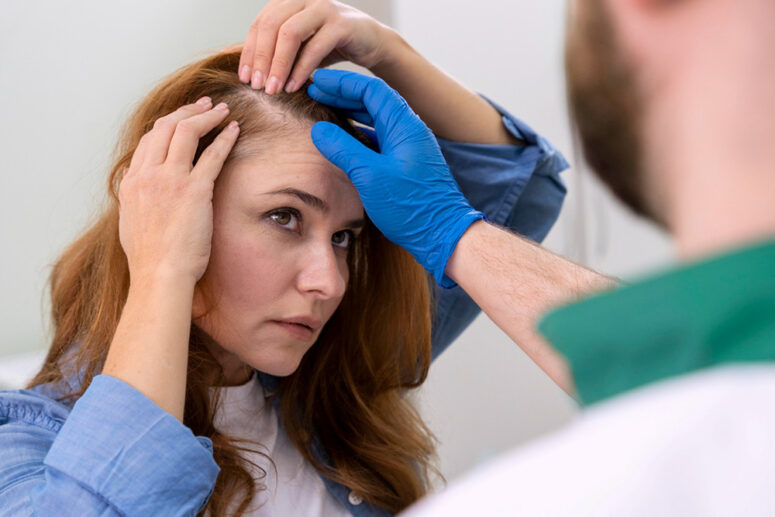
While postpartum hair loss is typically temporary, it usually improves within six to twelve months. If hair shedding becomes severe or continues for a prolonged period, it may be helpful to consult a specialist to explore suitable hair loss treatment options.
Underlying Scalp Conditions
Sometimes hair loss may be linked to scalp issues such as inflammation, dandruff, or follicle blockage. A professional scalp analysis can identify these conditions and guide targeted treatments that support healthier hair regrowth.
Benefits of Early Treatment
Faster Regrowth
Seeking early hair loss treatment can help reactivate hair follicles and encourage faster regrowth. Timely care improves the chances of restoring normal hair density.
Improved Hair Density
Targeted treatments strengthen existing hair strands and stimulate new growth, gradually improving the overall thickness and volume of the hair.
Boosted Confidence
Hair plays a significant role in how many people feel about their appearance. Addressing postpartum hair loss early can help restore confidence and support emotional well-being during the postpartum period.
Begin Your Postpartum Hair Recovery Journey
Experiencing postpartum hair loss can feel worrying, but it is a common and manageable condition. With the right combination of professional hair loss treatment, proper nutrition, and gentle hair care, most women can restore healthy hair growth over time.
If you are noticing increased shedding after pregnancy, taking early action can make a meaningful difference.
Start your recovery journey today. Book a professional consultation with Beijing 101 and explore personalised treatment options to support healthier, fuller hair.